What's Really Behind Your Pint at the Brinkburn Street Bar, Brewery & Kitchen?
Watch the trailer, episode coming soon!
Trailer of Tyne for Business Brinkburn Brewery episode
📸 🎥 Image/Video Credit: Flamingo Heights Podcast Studio
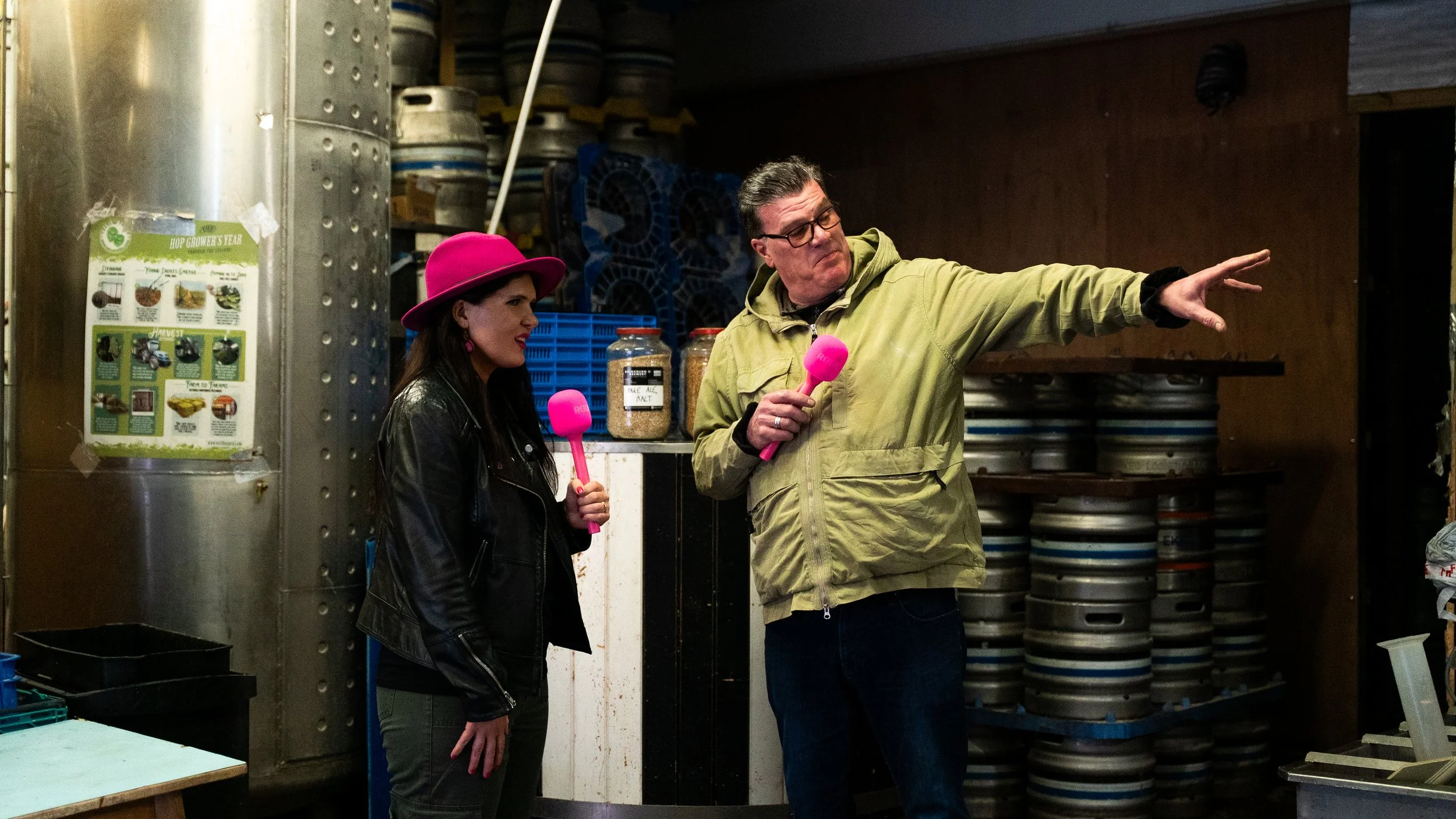
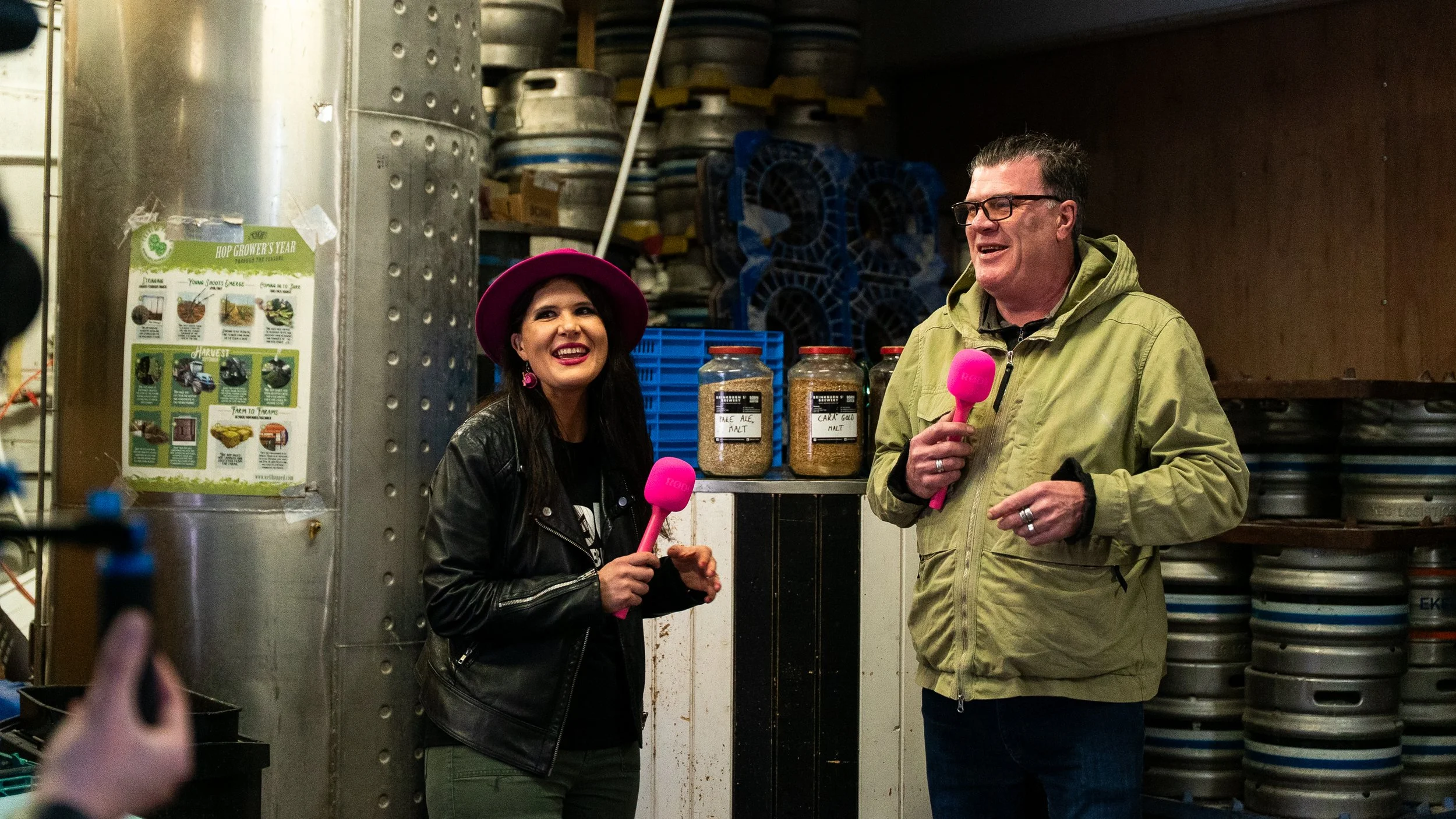
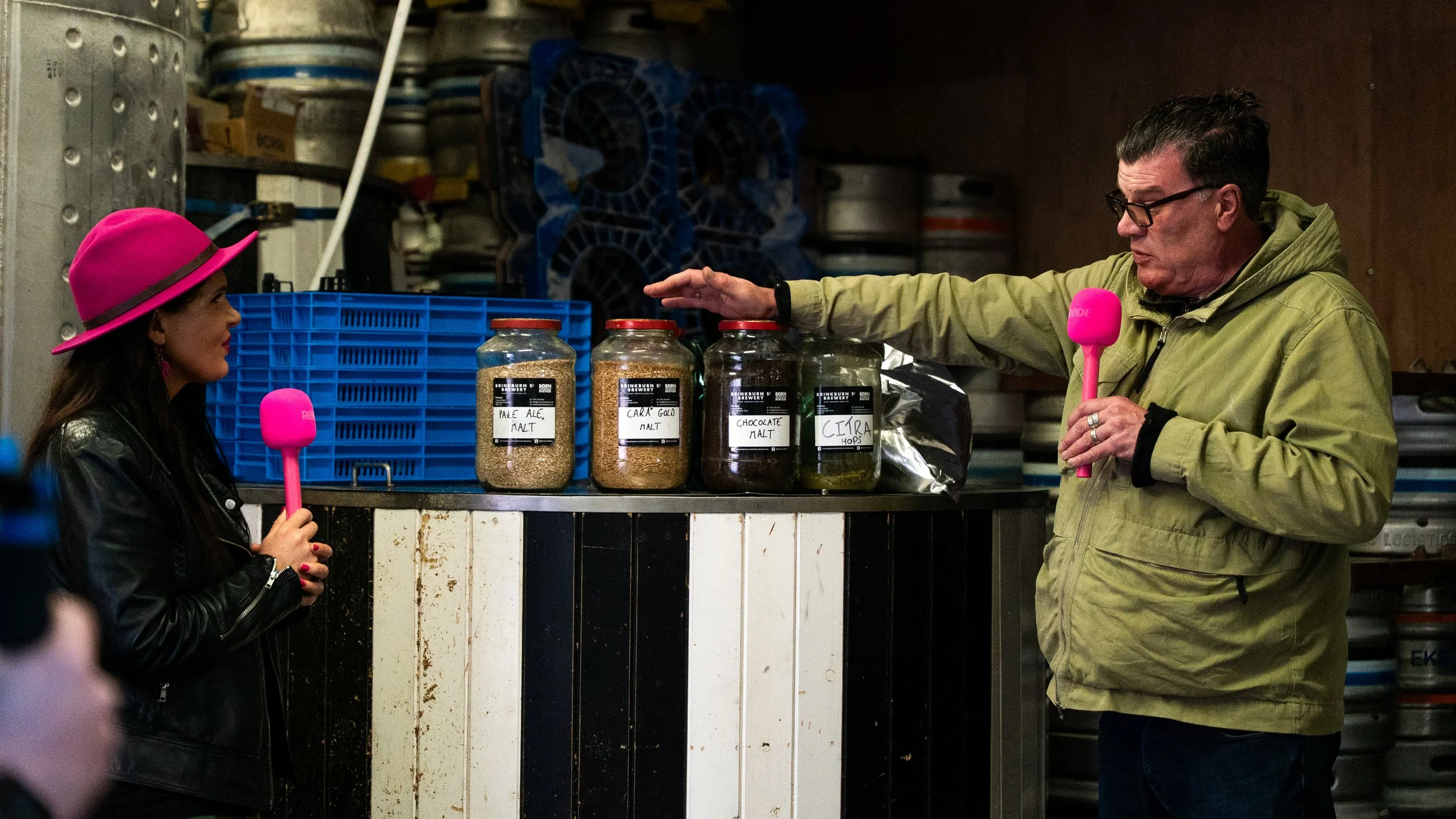
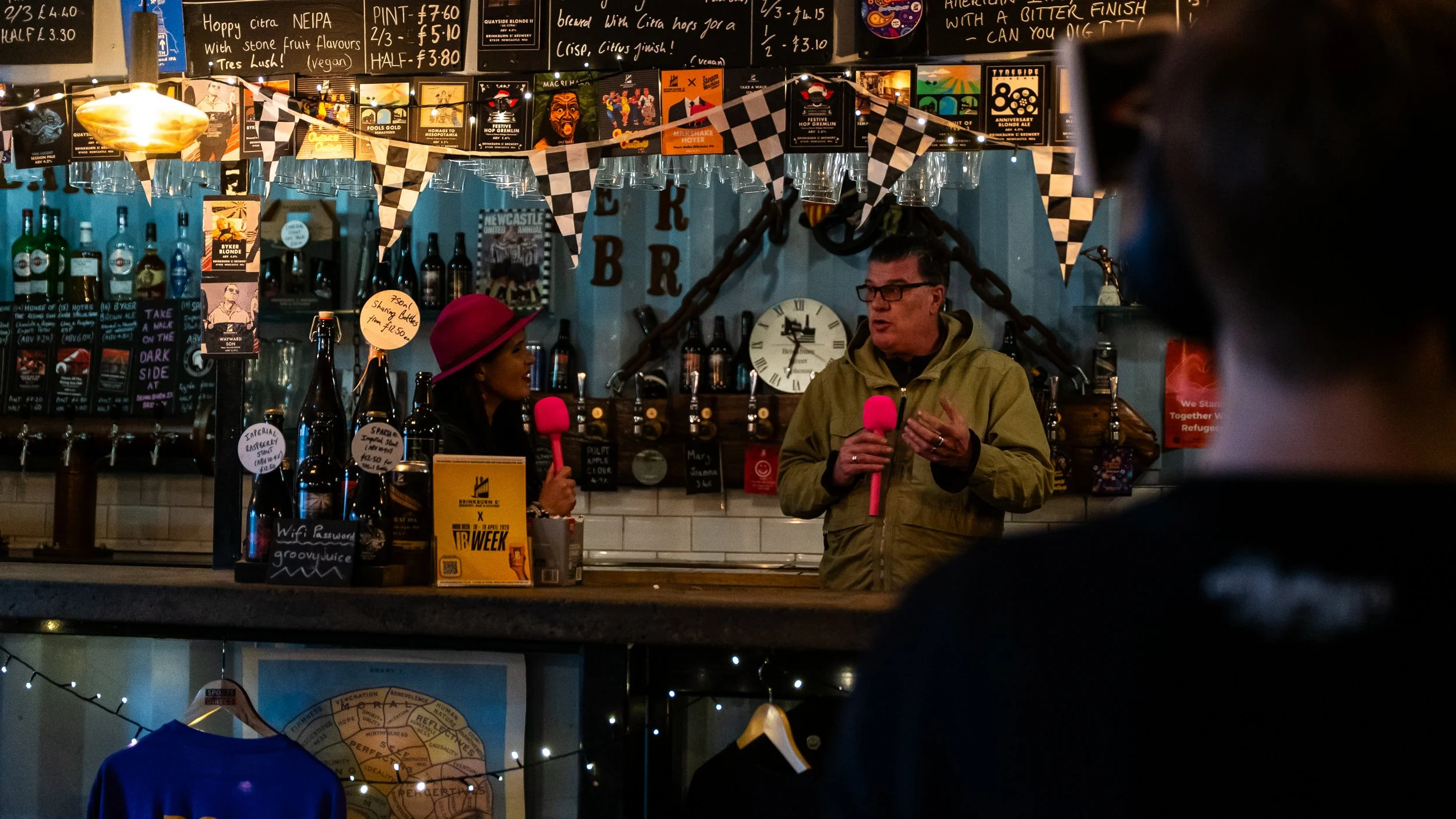
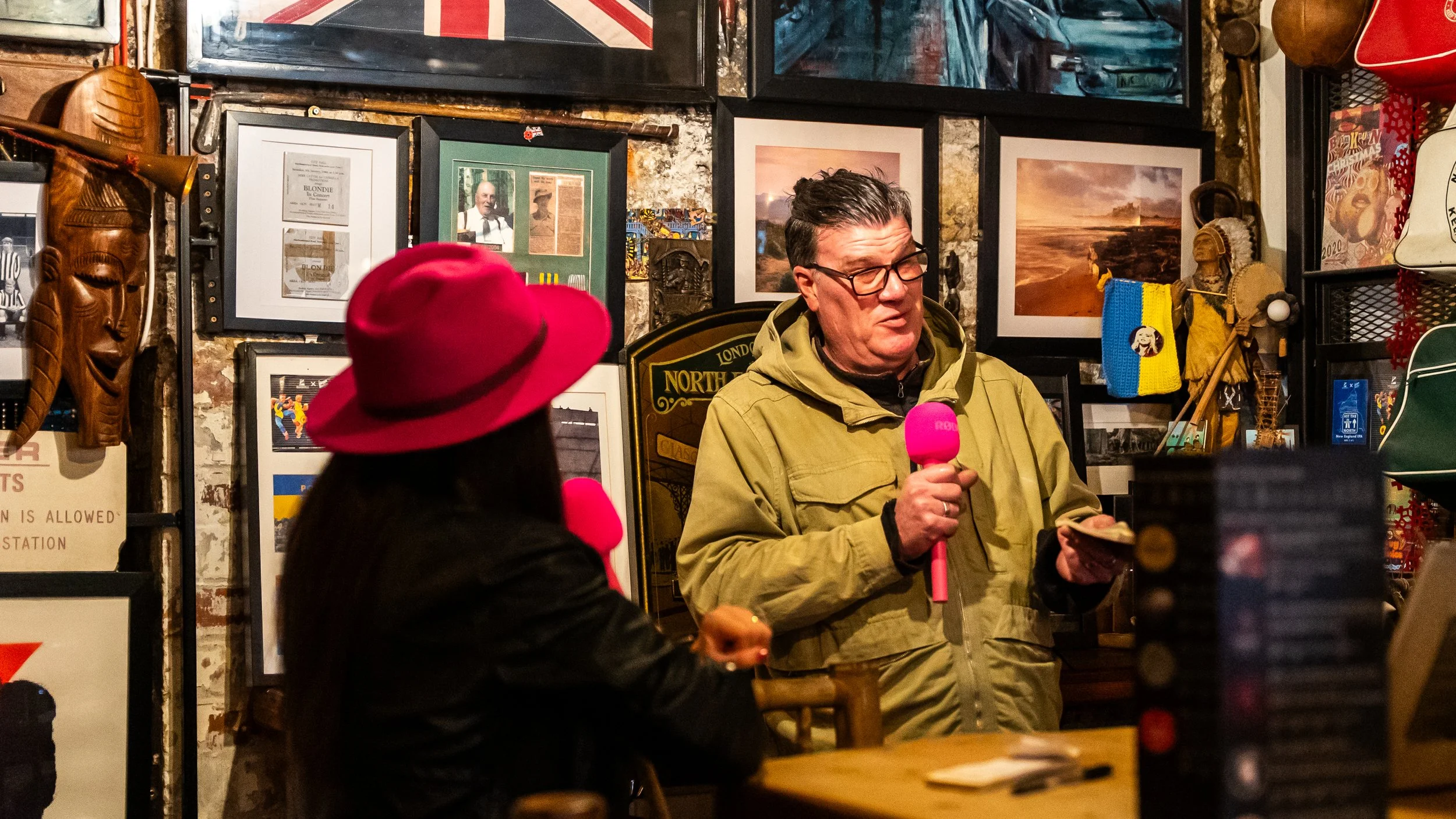
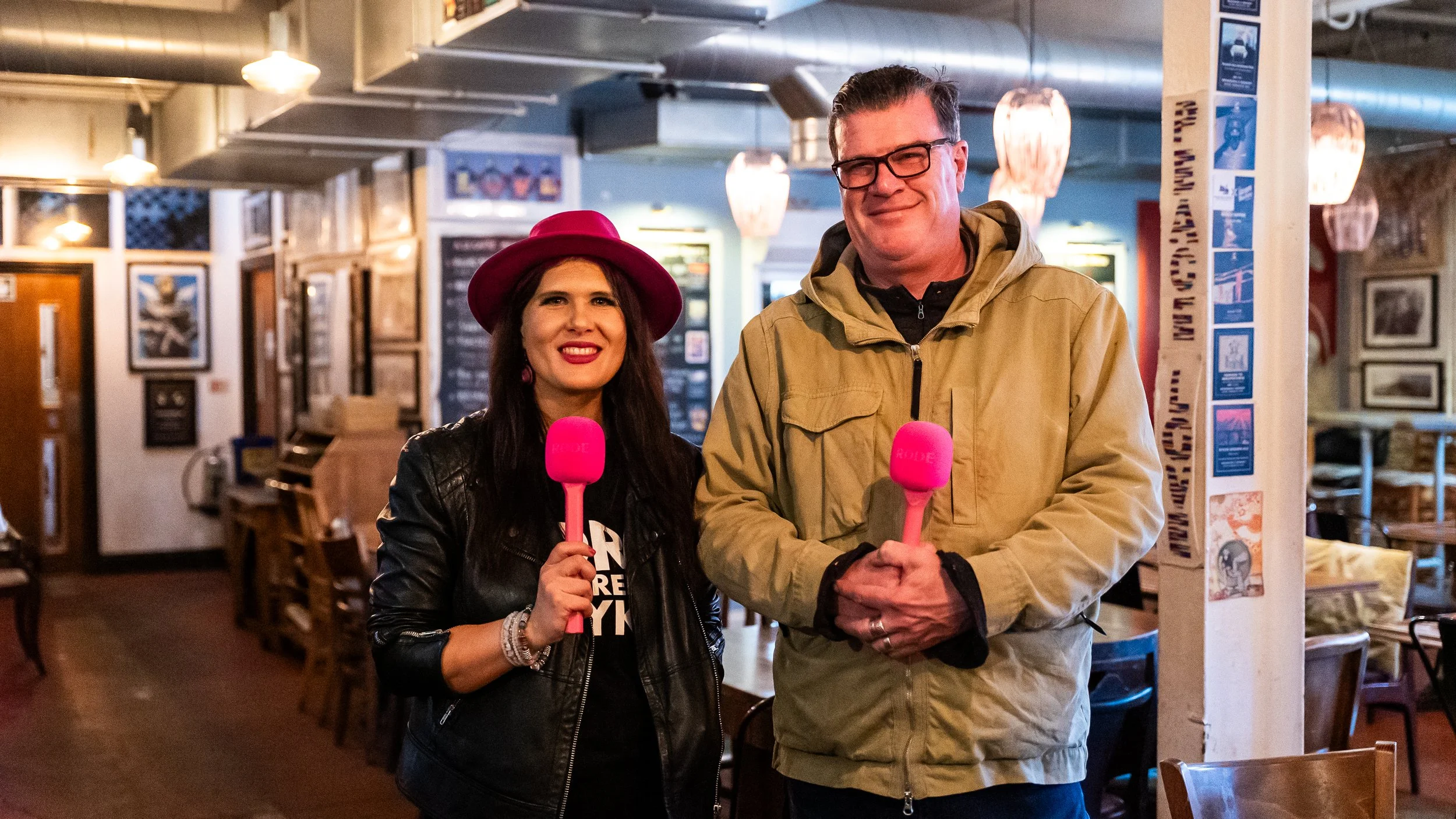
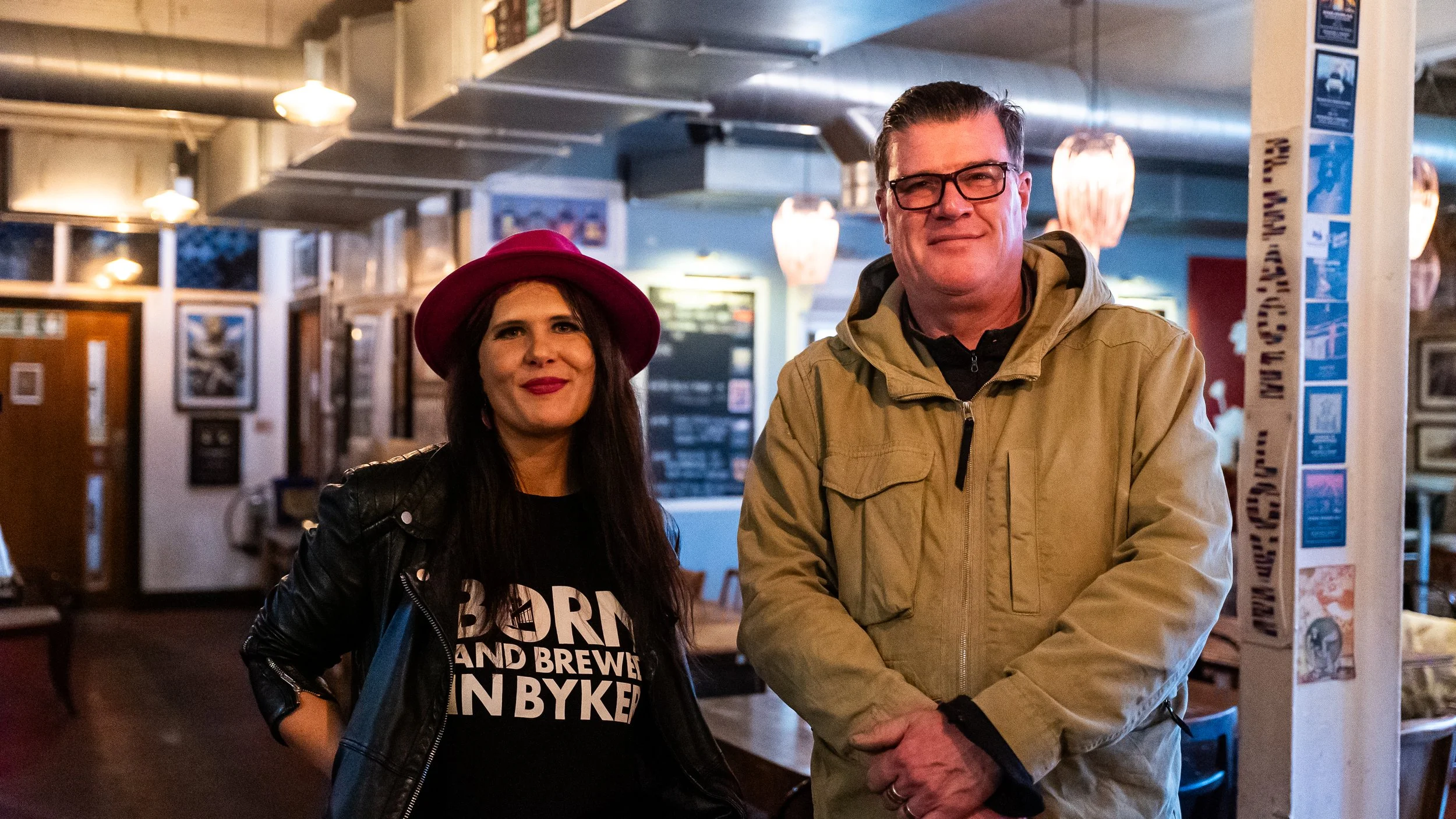
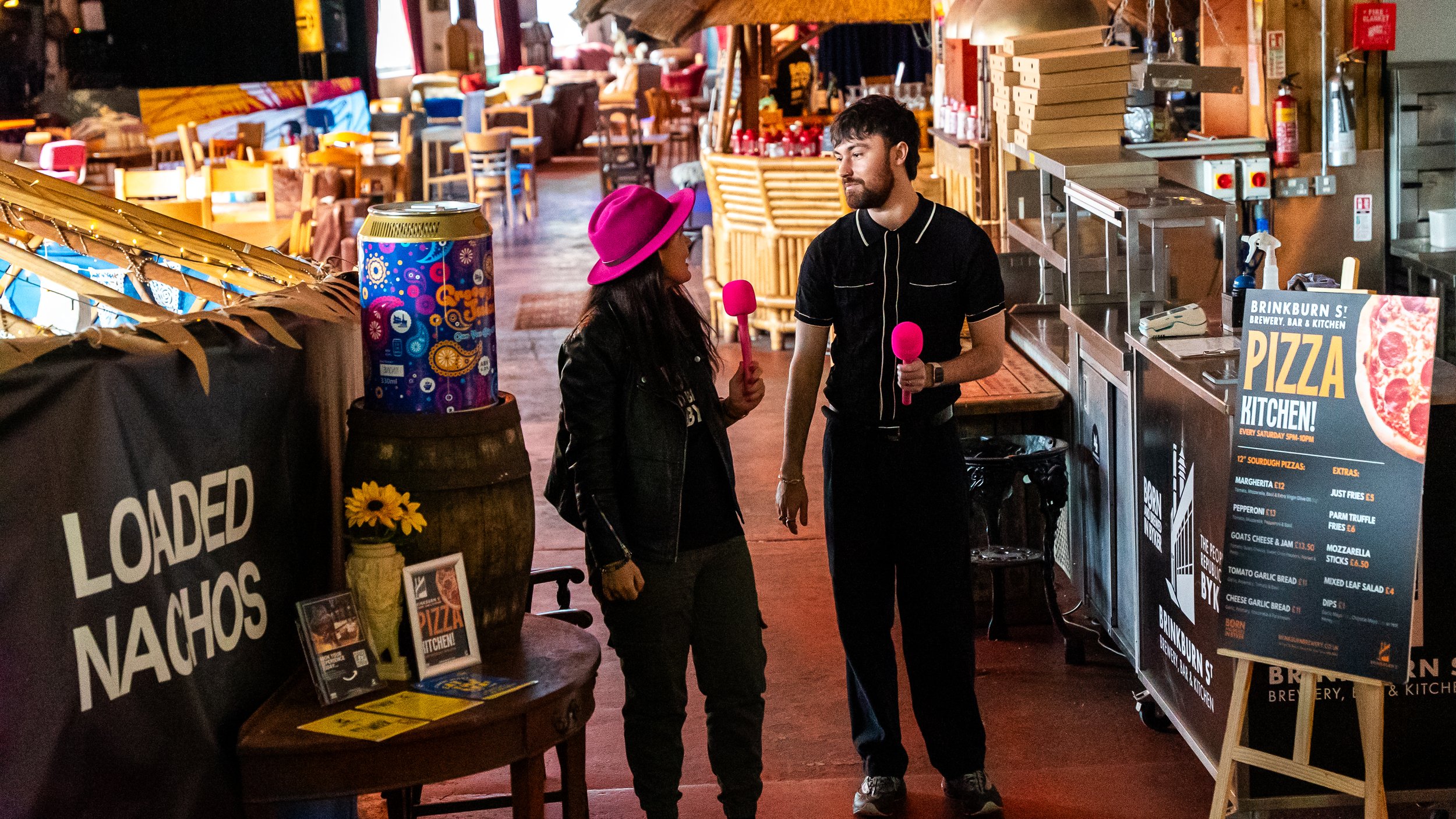
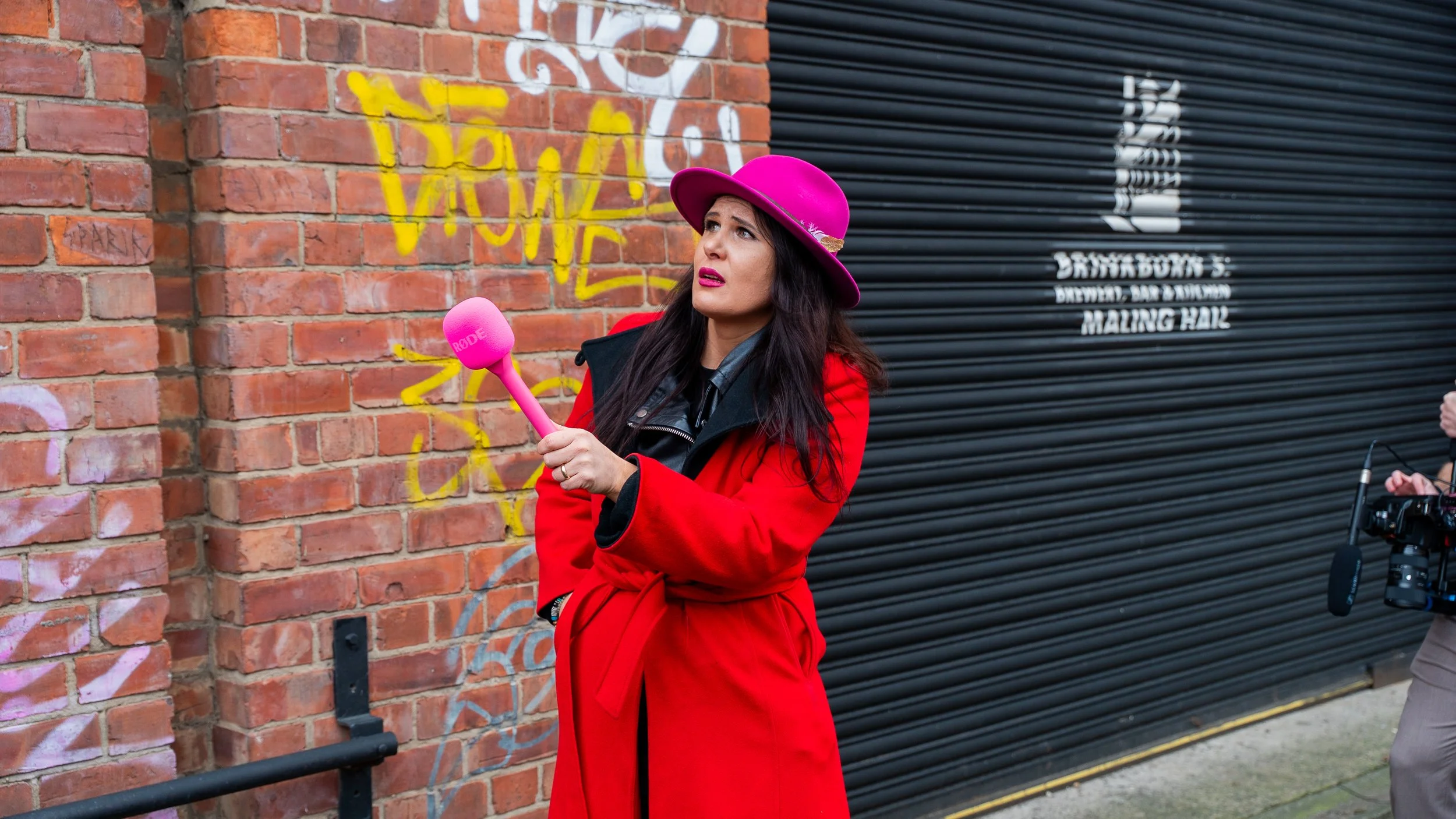
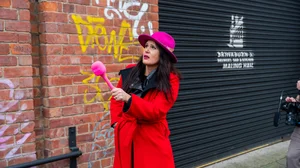
Behind the scenes image of Ashleigh King and Lee Renforth at the Brinkburn Street Bar, Brewery & Kitchen while recording the first Tyne for Business podcast episode.
ABOUT THE BRINKBURN
The Ouseburn has a way of pulling you in.
Tucked beneath the city's bustle, it's always been home to the kind of places that feel like they were made for people who know — really know — Newcastle. Brinkburn Street Brewery, Bar and Kitchen is one of them.
In our first episode of Tyne for Business, we visited Brinkburn Street Brewery to find out what's really going on behind the bar.
What we found was nearly 200 years of history, a community that kept each other going through a pandemic, and a haunted tricycle.
The Building has more history than you think
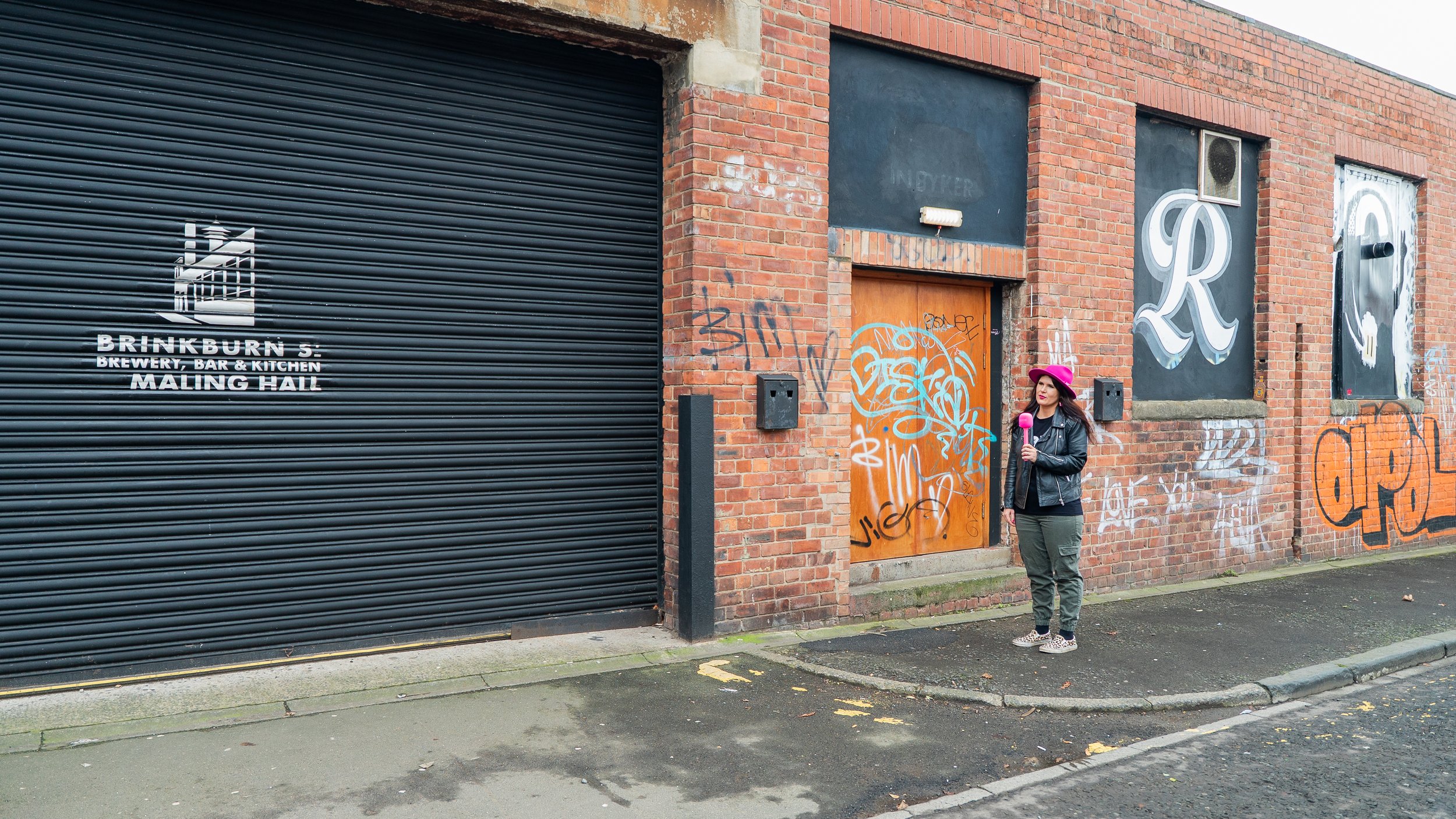
Before it was a brewery, before it was a bar, this building in the Ouseburn was the quality assurance facility for Maling Pottery — one of the most famous pottery manufacturers on Tyneside — established here around 1820.
Finished pots would be brought through a small underground tunnel (still there, complete with the original rail track) before being loaded onto boats on the Tyne and shipped out to the world.
But here's the detail that really stopped us in our tracks: in 1832, this building became the first school for workers' children in Newcastle. On the top floor, the children of Maling's workforce — from some of the poorest parts of Byker — received an education for the very first time. The school was established by Huguenot immigrants who had brought their craft skills — and their belief in education — across from Belgium.
That's not a footnote. That's the foundation.
A WWii Air raid shelter, in the pub!
Hidden at the back of Brinkburn Street Brewery is the original Maling Pottery tunnel, and tucked inside it is a blast wall, built during the Second World War. The tunnel was used as an air raid shelter during the Blitz.
Lee, who runs Brinkburn Street Brewery, showed us a gas mask that belonged to his family — his mother, now in her eighties, was placed in one of these shelters as a one-year-old baby during a seven-hour bombing raid on Byker.
His grandfather's wartime medals hang on the wall nearby. He served with the 50th Northumbrian Hussars, was at Dunkirk, and spent four to five years as a prisoner of war.
History isn't something Brinkburn Street Brewery displays for atmosphere. It's something the people here have lived.
the beer is genuinely different and here’s why:
Brinkburn Street Brewery is tiny — just four fermenters — but it's entirely self-sufficient, brewing, carbonating, and packaging everything on site in small batches of around 300–400 cans per brew.
They produce around 120,000 pints a year, and unusually for a UK microbrewery, the vast majority of that is sold directly to customers at the bar. Lee told us this model is actually much more common in American craft breweries, and it's what allows Brinkburn to build such a strong community around the place.
The range runs from New England IPAs to Imperial Stouts above 10%, many made in collaboration with Steam Machine Brewing in Newton Aycliffe. What makes them taste different from anything you'd find in a supermarket?
No finings and no chemicals are used:
Many Brinkburn Street Brewery beers are naturally hazy and cloudy — and as Lee puts it, cloudier often means tastier. They don't use anything to artificially clear the beer, which keeps the flavour exactly as intended.
Premium ingredients and hops imported from the USA:
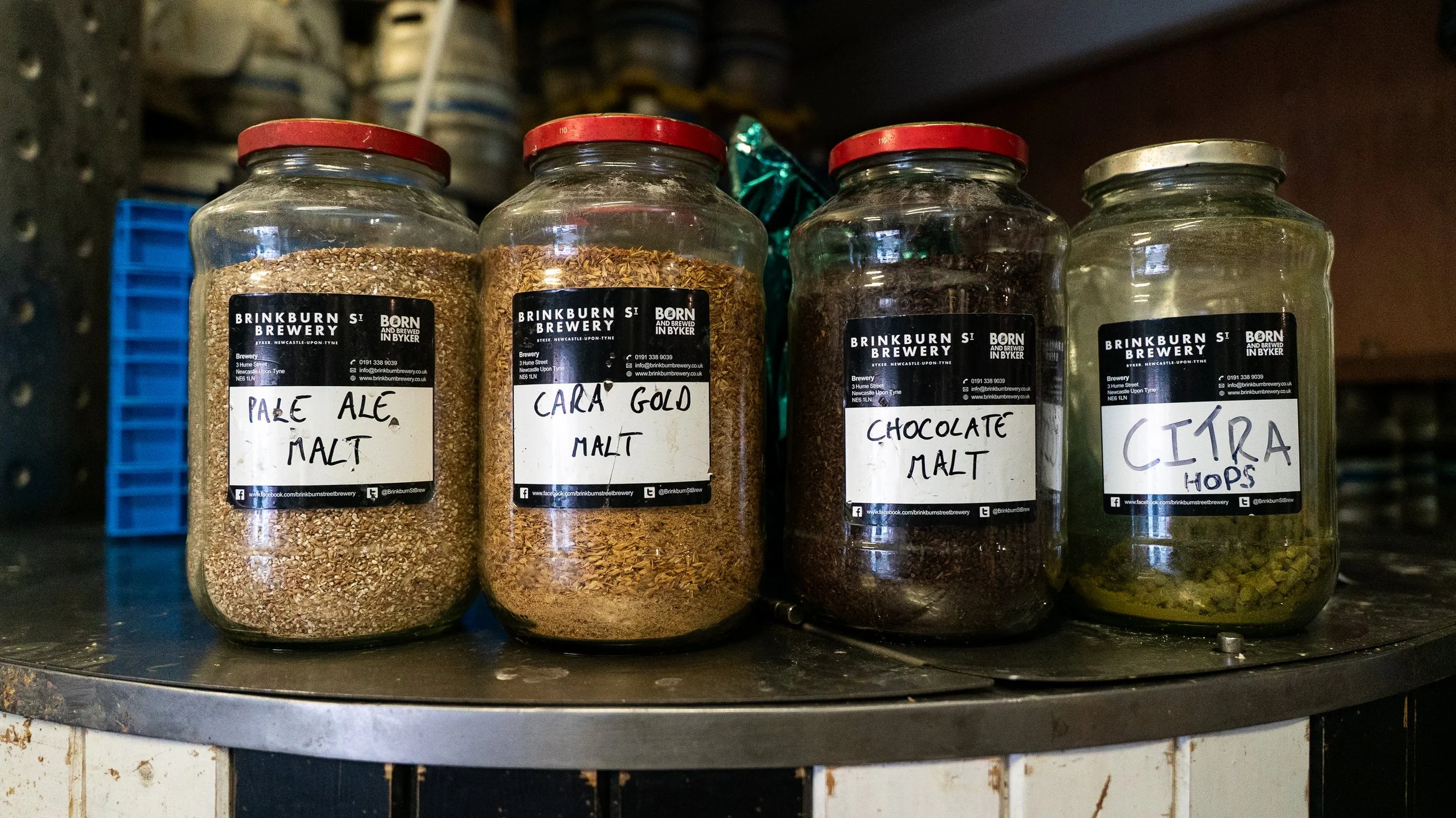
Around 60% of their hops are imported from the Pacific Northwest of the USA, including the famous Citra variety. A single 5kg bag costs around £200. For their hop-heavy New England IPAs, roughly a third of the total production cost goes on hops alone. That's the difference between a craft beer and a supermarket lager — and you can taste it.
eight years of collaboration
Their long-running partnership with Steam Machine Brewing in Newton Aycliffe — going strong for over eight years — means the range keeps growing without losing quality. In the craft beer world, 35 miles is a long way. These two have made it work.
it’s a community, not just a venue
During COVID, Brinkburn Street Brewery stayed open as a microbrewery (legally permitted to do so) and ran takeaway beer to keep some sense of normality alive for the people of Newcastle. Lee told us that in the end, most of the city found them — because they were one of the few places open.
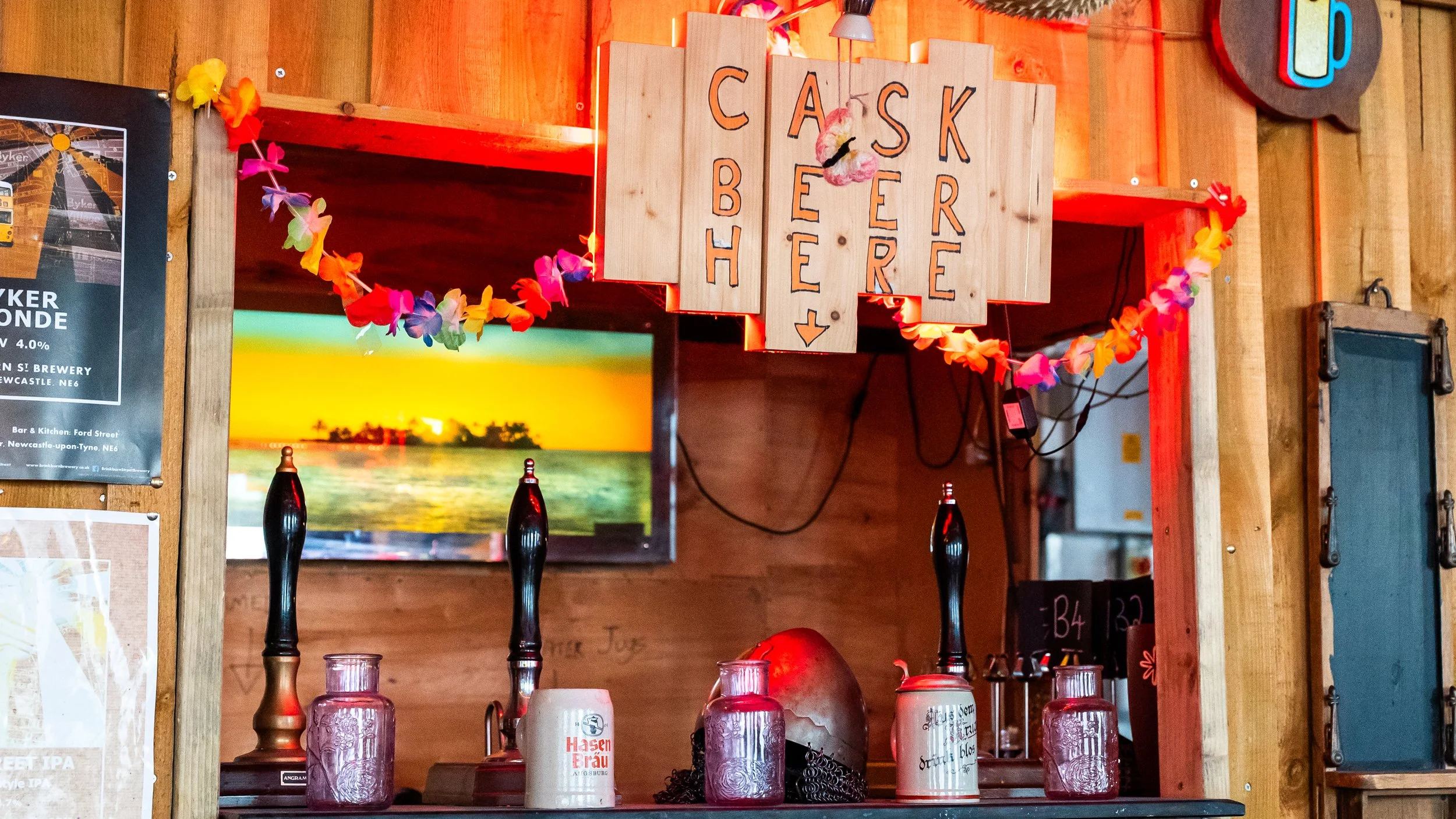
That community feel is woven into everything. The interiors are entirely secondhand and upcycled — every piece of furniture, every quirky bit of art, sourced from auctions, charity shops, and markets. Nothing was bought new. Interior design students from Northumbria University regularly visit Brinkburn as a case study in how a historic building can be thoughtfully reimagined for modern hospitality without losing its soul.
Upstairs, the Mailing Hall is a 300-capacity black box event space that has hosted drag bingo, pop-up opera with Opera North, circus performances, weddings, book launches, film screenings, and more — sometimes two different events running simultaneously on the same night.
It's one of those places that makes you think: this is what a pub is actually for.
why you should visit
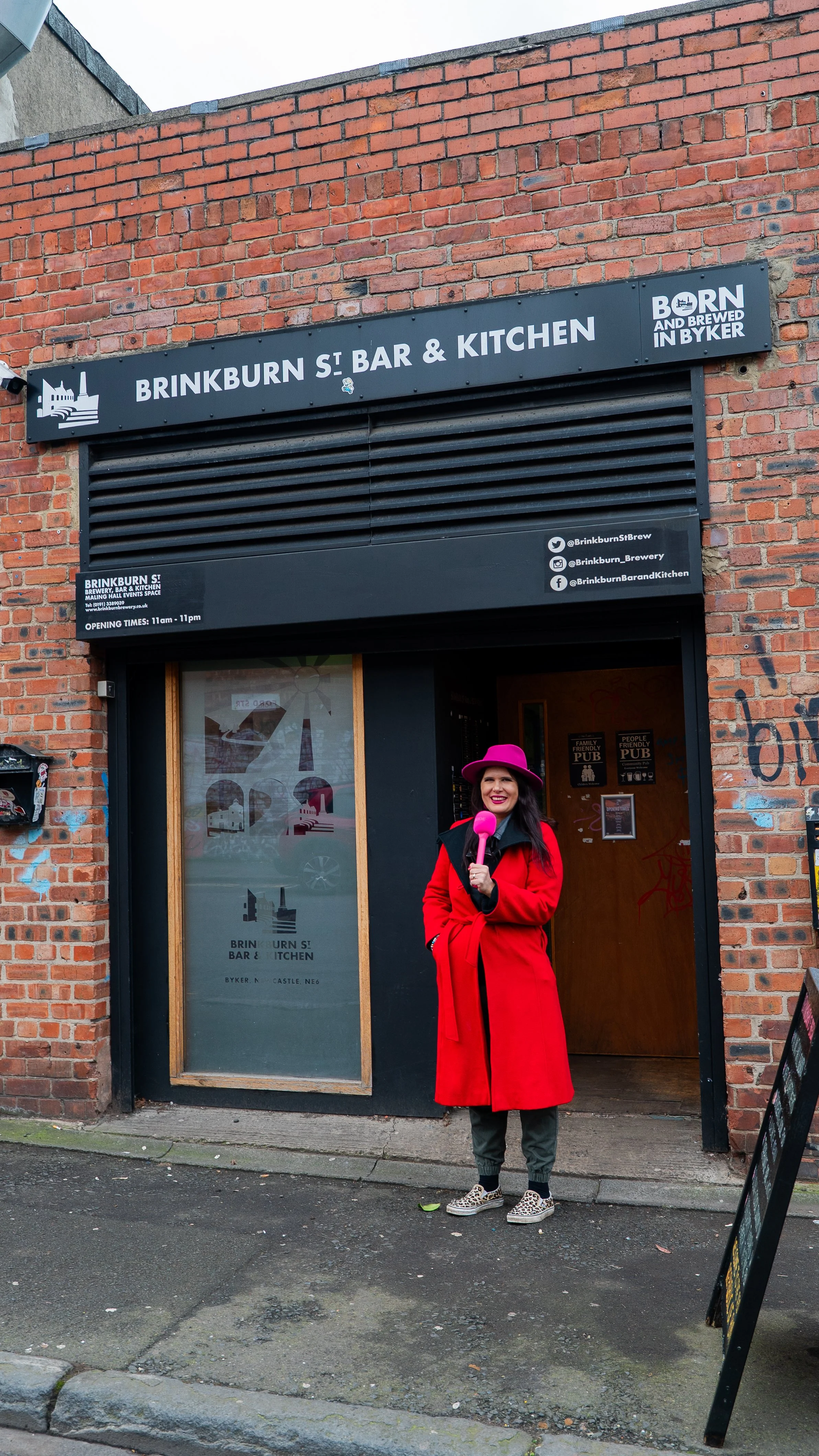
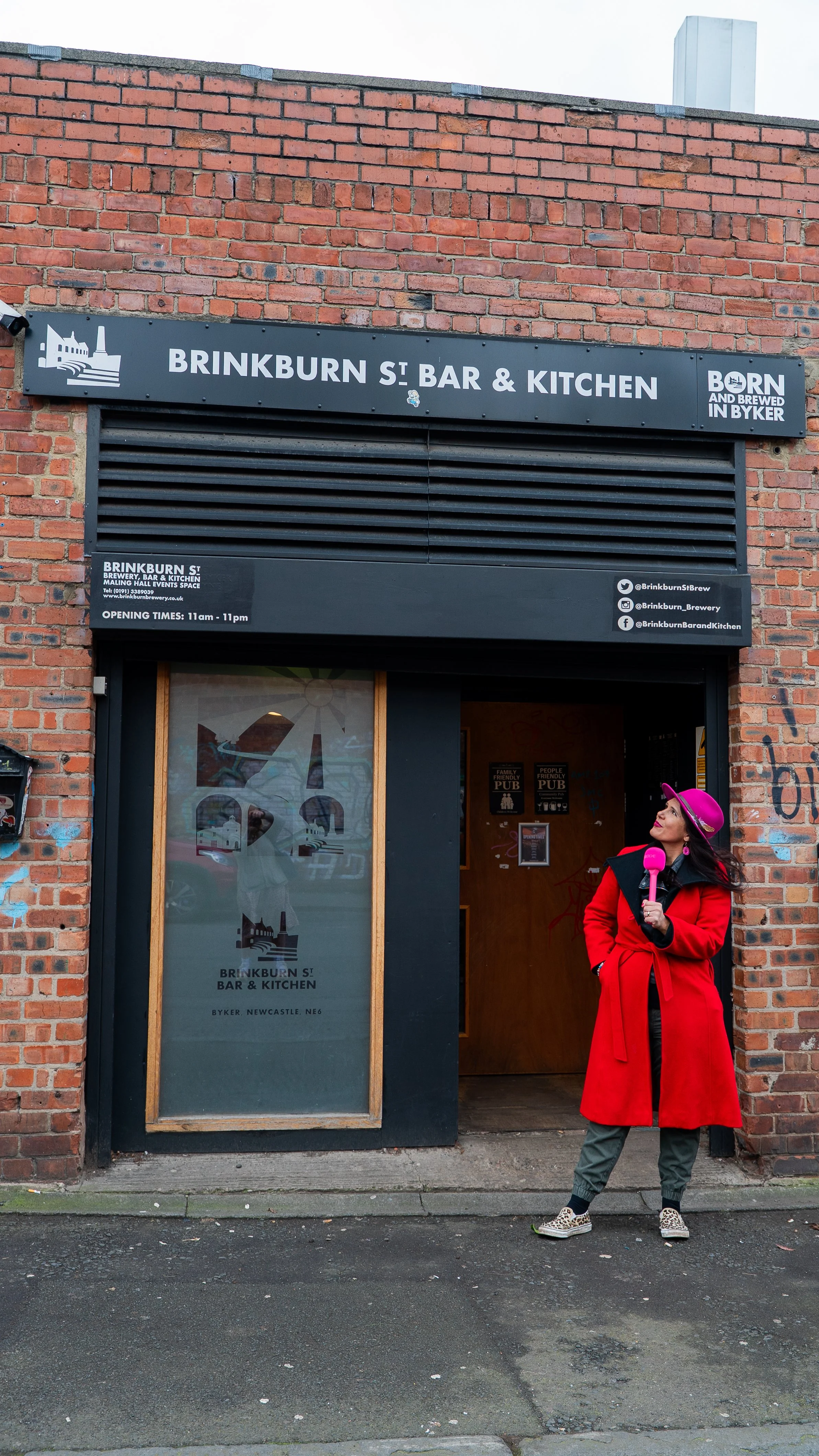
Brinkburn Street Brewery, Bar and Kitchen is on Brinkburn Street in the Ouseburn, Newcastle. They're open to the public for drinks and food, and you can book the event space for everything from birthday parties to weddings to whatever brilliant idea you've had that needs a room with a tiki bar imported from Thailand.
This is exactly the kind of place that shouldn't have to fight to survive — but independent businesses always do. The best thing you can do is show up, order a pint, and stay a while.
🎙 Listen to the full episode of Tyne for Business wherever you get your podcasts.
Tyne for Business is a place-based podcast series celebrating the independent businesses, products, and people of Newcastle's East End. Produced by Flamingo Heights Podcast Studio and hosted by Ashleigh King.